
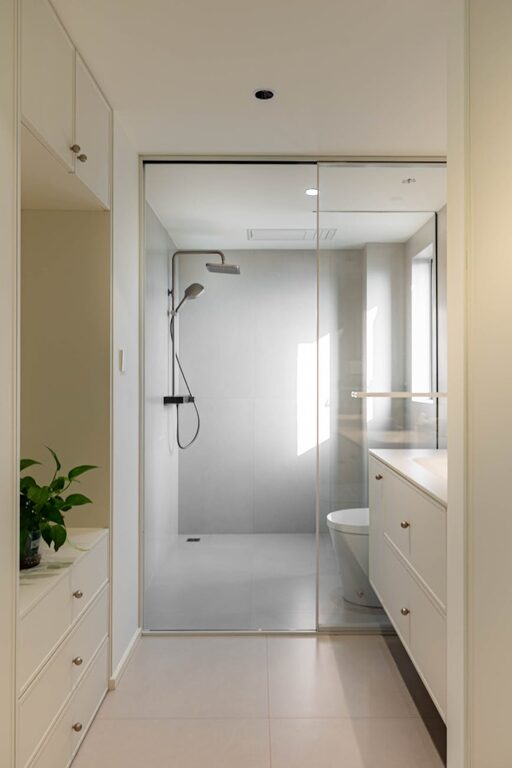
Creating a minimalist bathroom setup can transform your space into a calm, organized, and visually appealing environment. Minimalism is all about simplicity, functionality, and clean aesthetics. In this guide, we’ll walk you through practical steps to achieve a minimalist bathroom that feels spacious and serene.
What Is a Minimalist Bathroom?
A minimalist bathroom is designed with simplicity and purpose in mind. It avoids unnecessary decor, focuses on essential elements, and uses a neutral color palette. The goal is to create a clutter-free, easy-to-maintain space that feels refreshing and relaxing.
Benefits of a Minimalist Bathroom
– Easier to clean and maintain
– Creates a spacious and airy feel even in small bathrooms
– Reduces visual clutter, promoting relaxation
– Timeless design that doesn’t go out of style
– Encourages mindful use of items and space
Step 1: Declutter and Simplify
The foundation of minimalism starts with removing excess items:
– Sort through your toiletries and keep only what you regularly use.
– Use storage bins or baskets to hide items rather than display everything on counters.
– Get rid of duplicates or expired products.
– Limit decorative items to one or two simple pieces.
Step 2: Choose a Neutral Color Palette
Minimalism thrives on simplicity, and color plays a big role:
– Opt for whites, soft grays, beige, or muted pastels for walls and floors.
– Stick to one or two accent colors at most to avoid visual noise.
– Matte finishes tend to work well for a subtle and calm effect.
Step 3: Select Simple and Functional Fixtures
Focus on quality and utility rather than ornate designs:
– Choose sleek faucets and showerheads with clean lines.
– Select a vanity with built-in storage to reduce countertop clutter.
– Consider wall-mounted lighting for a streamlined look.
Step 4: Maximize Storage Without Cluttering
Smart storage solutions keep your bathroom tidy:
– Use recessed shelves or niches in the shower or above the sink.
– Invest in under-sink cabinets or slim storage towers.
– Incorporate baskets or boxes made of natural materials like bamboo for a minimalist touch.
– Keep countertops mostly clear—store daily essentials inside drawers.
Step 5: Use Minimalist Accessories
Accessories should complement the space without overcrowding it:
– Go for simple soap dispensers, toothbrush holders, and towel racks in neutral tones.
– Use plain white or single-color towels rather than patterns.
– Add a single piece of art, such as a black-and-white photograph or a subtle botanical print.
Step 6: Maintain Clean Lines and Open Space
The arrangement of items matters:
– Avoid overcrowding shelves or hooks.
– Keep floor space open by using wall-mounted or floating vanities and toilets.
– Use mirrors with simple frames or frameless designs to keep the look uncluttered.
Step 7: Incorporate Natural Elements
A touch of nature enhances the minimalist vibe:
– Place a small plant in a simple pot for a splash of green.
– Use natural materials like wood or stone for soap dishes, or flooring accents.
– Ensure good ventilation and natural light to keep the space fresh.
Tips for Keeping Your Minimalist Bathroom Organized
– Regularly check for unused products and clear them out.
– Make it a habit to place items back after use.
– Use labels on storage containers to quickly find what you need.
– Schedule a quick weekly tidy-up to maintain order.
Final Thoughts
Creating a minimalist bathroom setup is an achievable and rewarding project. By focusing on simplicity, functionality, and clean design, you can enjoy a serene space that feels like a personal retreat. Remember, the goal is to keep only what matters, prioritize quality over quantity, and let open spaces speak for themselves.
Happy minimalizing!